
Precision CNC Machined C3604 Brass Conductive Pillar | JOY CNC Precision CNC Machined Parts
This conductive pillar is manufactured from C3604 brass, selected for its superior electrical conductivity and excellent machinability. Typically applied in power distribution units, telecommunications, and automotive electrical systems, the component serves as a critical interface for stable current transmission. CNC customization is utilized to achieve high-precision tolerances and specific surface features, such as the integrated knurled mid-section and serrated end design, which ensure mechanical stability in high-vibration or high-load environments. Contact JOY CNC for precision CNC turning, custom machined parts, and drawing-based manufacturing support in Taiwan.
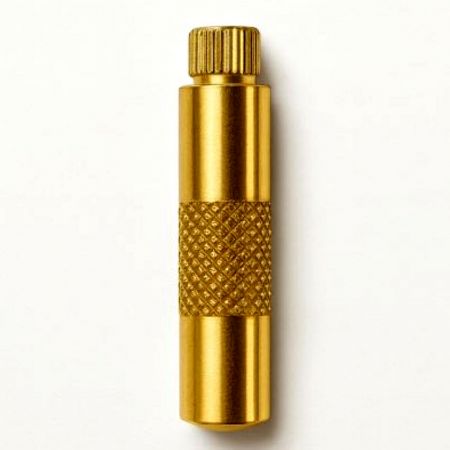
Precision CNC Machined C3604 Brass Conductive Pillar
0941000
z000-00001-094
This conductive pillar is manufactured from C3604 brass, selected for its superior electrical conductivity and excellent machinability. Typically applied in power distribution units, telecommunications, and automotive electrical systems, the component serves as a critical interface for stable current transmission. CNC customization is utilized to achieve high-precision tolerances and specific surface features, such as the integrated knurled mid-section and serrated end design, which ensure mechanical stability in high-vibration or high-load environments.
Manufacturing & Customization Capability
The knurled surface significantly increases friction and grip during installation, preventing loosening and poor contact in operation. The splined base is designed to mate precisely with terminals or other conductors, ensuring safe and reliable current transmission.
We offer custom sizes and structural designs based on customer drawings or samples, supporting both small-batch prototypes and mass production. From raw material inspection to final product testing, every stage is strictly controlled to guarantee high-quality standards and compliance with international specifications.
Industry Applications
Brass conductive posts are widely used in power equipment, automation machinery, communication electronics, automotive electrical systems, industrial control systems, aerospace technology, medical devices, and new energy applications. With high conductivity, corrosion resistance, and structural stability, they maintain reliable performance under high frequency, heavy load, and harsh environments, reducing maintenance and replacement costs.
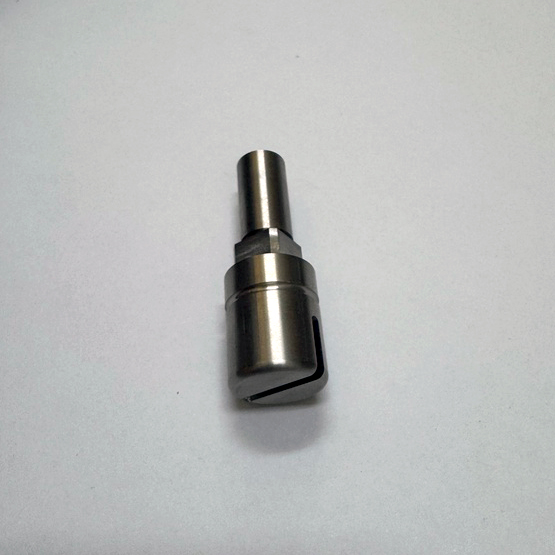
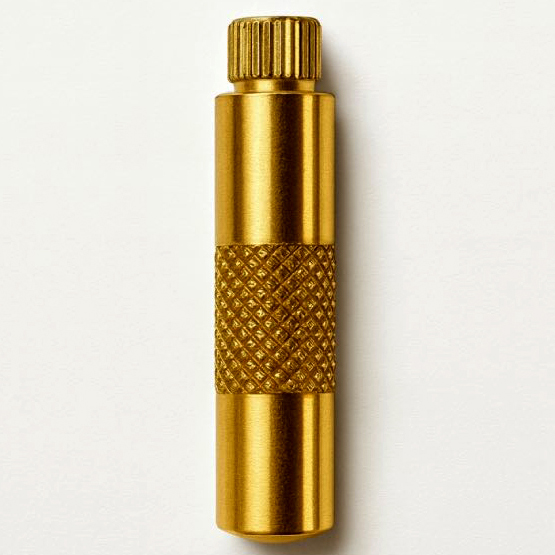

Precision CNC Machined C3604 Brass Conductive Pillar | Custom Precision CNC Machining
JOY CNC manufactures Precision CNC Machined C3604 Brass Conductive Pillar as a drawing-based precision component for industrial buyers that need controlled dimensions, reliable threads, material traceability requirements, and consistent fit in the intended assembly.
Manufacturing planning considers component geometry, tolerance, concentricity, thread form, material, surface finish, and functional use. Available capabilities include CNC turning, milling, thread rolling, specialized profile machining, and coordination of secondary treatments.
Engineering and purchasing teams can provide drawings, target materials, quantities, inspection criteria, and application information for review. JOY CNC then evaluates a practical process route for prototypes, replacement components, or repeat production.